 Ravia
Ravia
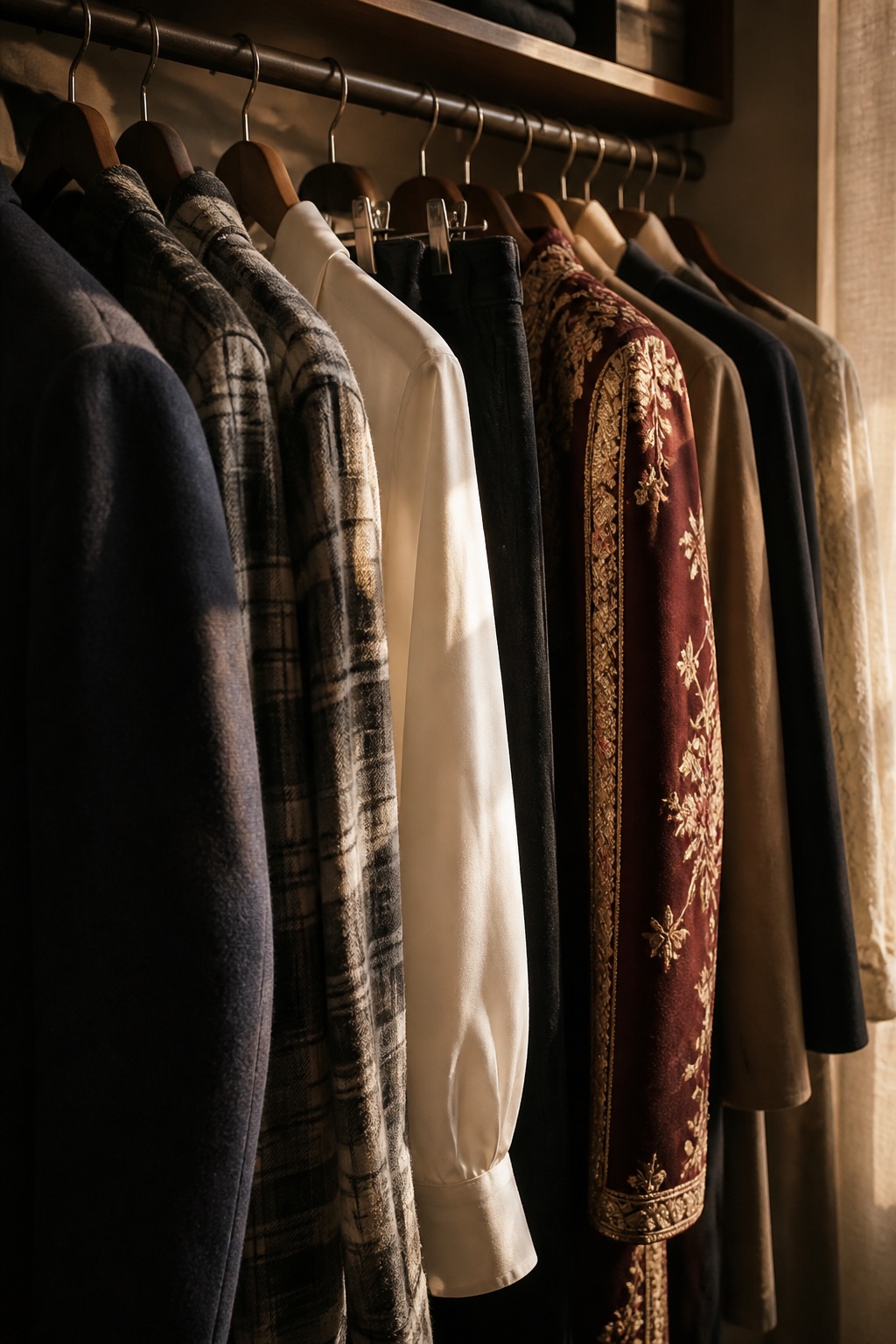
Coordinate Desi Wedding Guest Outfits With Family
The family WhatsApp chat has already produced six screenshots of lehengas, three different definitions of “pastel,” and one person insisting everyone should just wear pink. Coordinating desi wedding guest outfits with your mom, sisters, sisters-in-law, or close cousins does not mean turning up in identical suits. The best family looks feel connected from across the room, while each person still looks like herself in the photos.
The goal is a shared visual direction: related colours, a balanced mix of silhouettes, and enough contrast that nobody disappears into the person beside her. Whether you are dressing for a mehndi in someone’s backyard or a formal walima ballroom reception, a little planning now saves everyone from the last-minute “wait, why are we all wearing the same shade of bottle green?” panic.
Choose a Family Wedding Outfit Color Palette, Not One Exact Color
Start by choosing a palette of three to five colours rather than assigning one colour to every person. Exact matching can look stiff, especially when different fabrics absorb light differently. A silk sage suit, a mint net lehenga, and a seafoam chiffon saree may sound coordinated but can photograph as three unrelated shades.
Instead, give the group a colour family with clear lanes. For a daytime mehndi, try marigold, pistachio, coral, and ivory. For a sangeet, use jewel tones such as cobalt, rani pink, plum, and antique gold. For a nikkah or daytime ceremony, powder blue, blush, champagne, and soft sage can sit beautifully together. A walima often suits cooler or richer tones: steel blue, lilac, deep emerald, silver, and pearl.
- Pick one anchor colour that appears on at least two outfits, such as emerald or rose pink.
- Add two supporting colours that are clearly different in value, such as ivory and maroon rather than five nearly identical reds.
- Choose one metallic direction: mostly gold, mostly silver, or antique gold. Mixed metals can work, but decide deliberately.
- Ask everyone to send a photo in daylight before finalizing. Store lighting is not wedding lighting.
If one person has already bought a very detailed outfit, let its embroidery guide the palette. A peach lehenga with antique-gold work can give everyone else an easy brief: peach, muted pink, ivory, olive, and gold are all on the table. That is much more useful than telling the group to wear “something festive.”
How to Coordinate Outfits for Mehndi, Sangeet, Nikkah, and Walima
Multi-day weddings are where coordination gets tricky because every event asks for a different mood. Make each event feel distinct before deciding who wears what. You do not need a new family colour scheme for every function, but you do need to avoid wearing all your boldest looks on the same night.
- Mehndi: Keep the palette bright and playful. Leheriya, bandhani, gota details, floral prints, and lighter dupattas all work well. If one sister wears a sunny yellow gharara, another can choose fuchsia, lime, or turquoise instead of matching yellow head to toe.
- Sangeet: Bring in saturated colour and movement. A mirror-work lehenga, a sharara with a dramatic dupatta, or a jewel-toned saree can hold its own under evening lights. Coordinate through metallic embroidery or one repeated accent colour.
- Nikkah: Softer colours and refined fabric usually read beautifully. Think tissue silk, organza, chiffon, jamawar, or a clean silk suit. Keep the group polished without putting everyone in beige.
- Walima: Choose a more formal, composed direction. Deep jewel tones, dusty pastels, ivory with coloured borders, and elegant draping photograph well. This is a good event for the family to use one shared metallic note in jewelry or embroidery.
Before assigning looks, make a simple event grid: event name, time of day, venue, expected formality, palette, and metallic. Put it in the family chat. That one message can prevent four people from independently choosing heavy gold bridal-adjacent outfits for a daytime lunch.
Balance Desi Wedding Silhouettes in Family Photos
Colour gets all the attention, but silhouettes are what stop a group from looking accidentally uniform. If everyone wears a full, heavily embroidered lehenga with a wide dupatta, the photo can feel visually crowded. Give the group different shapes to create rhythm.
A useful formula is to mix one or two fuller looks with sleeker ones. For example, a mother can wear a classic silk saree, one sister can wear an embroidered lehenga, another can choose a straight-cut suit with sharara pants, and a cousin can wear an anarkali. Everyone is dressed up; nobody looks copied and pasted.
- If someone is wearing a very wide lehenga, pair her beside a saree or a narrower suit in group photos when possible.
- Do not put every dramatic dupatta over the same shoulder. Vary the drape, especially for standing photos.
- Balance heavy embroidery with quieter fabric. A dense zardozi lehenga looks better next to a clean satin saree than another equally busy skirt.
- Coordinate length and coverage with the event. A family group looks more cohesive when the formality level matches, even if the garments differ.
Also consider the venue backdrop. A red-and-gold stage can swallow a maroon outfit; a garden mehndi can make pale pistachio look lovely but may flatten a very light ivory group. If you have a venue photo, put it next to outfit screenshots before committing.
Coordinate Dupattas, Jewelry, and Embroidery Without Overdoing It
Accessories are the easiest way to make separate outfits look intentional. They are also where a coordinated plan can become too literal. You do not all need identical kundan sets. Instead, pick one thread that repeats quietly: pearl earrings, antique-gold bangles, emerald stones, silver potlis, or floral gajras for the mehndi.
Use dupattas strategically. A printed or contrasting dupatta can connect an otherwise separate suit to the family palette. If your sister is in cobalt and you are in magenta, a dupatta with both colours in its border makes the pairing feel planned. For a more formal event, keep one person’s dupatta heavily embellished and let the others use simpler borders or drapes.
- Match the metal tone before matching the jewelry style.
- Choose either statement earrings, a bold necklace, or a dramatic matha patti as the main focal point, not all three for every person.
- Repeat one embroidery tone, such as antique gold, across the group if colours are very different.
- Bring contrasting potlis or clutches into the palette instead of forcing another matching garment.
For photos, tiny details matter. Remove retail tags, steam dupattas, and check whether bright red lipstick, dark sunglasses, or a black purse will pull focus from a softer coordinated palette. The answer is not “never wear them”; it is simply to make them a choice.
Use a Shared Outfit Plan With Mom, Sisters, and Family
The fastest way to create confusion is for everyone to shop separately and reveal outfits two days before the wedding. Make one shared reference board for each event with screenshots of confirmed outfits, fabric swatches, and the selected palette. Label each look with the event so the beautiful plum saree does not accidentally compete with the planned plum sangeet lehenga.
If your family uses Ravia Circles, create a Circle for the wedding and share the looks you are considering with the people dressing alongside you. It gives mom, sisters, and close family one place to compare garments and see the overall mix before the group chat becomes forty-seven scrolling messages. Use it to spot gaps too: perhaps everyone has chosen jewel tones for the sangeet, but nobody has planned a lighter look for the daytime nikkah.
Set a practical deadline: confirm the main outfit first, then dupatta, then jewelry. Ask each person to post one full-length photo or screenshot and a close-up of the embroidery. A colour can look different on raw silk, velvet, net, and georgette, so seeing the fabric matters as much as seeing the shade name.
What to Avoid When Matching Family Wedding Guest Outfits
A coordinated family look should still leave room for personal taste. Avoid making the brief so narrow that someone feels like she is wearing a costume. “Any jewel tone with antique-gold work” is generous; “this exact burgundy, this exact border, this exact neckline” is usually not necessary unless the hosts have requested it.
- Avoid putting every person in the same pale shade without contrast in fabric, jewelry, or silhouette.
- Avoid competing bridal-style details if you are guests: enormous trailing dupattas, extremely heavy headpieces, or looks that visually overwhelm the couple’s family photos.
- Avoid a palette made entirely of close-but-not-quite matching shades, such as five versions of dusty rose.
- Avoid waiting until the day of the event to test earrings, blouse fit, and dupatta drape together.
The most memorable family photos are not the ones where everyone wore the same outfit in different sizes. They are the ones where a marigold lehenga, an ivory saree, a turquoise sharara, and your mom’s beautiful silk suit somehow look like they belonged in the same frame all along. Plan the palette, vary the shapes, and leave enough room for everyone’s own style. Plan your family wedding looks with Ravia.
Sources reviewed
The closets you already share.
Photograph what you own in the iPhone app. Get dressed from it. Share with family. Sell what you never wear.