 Ravia
Ravia
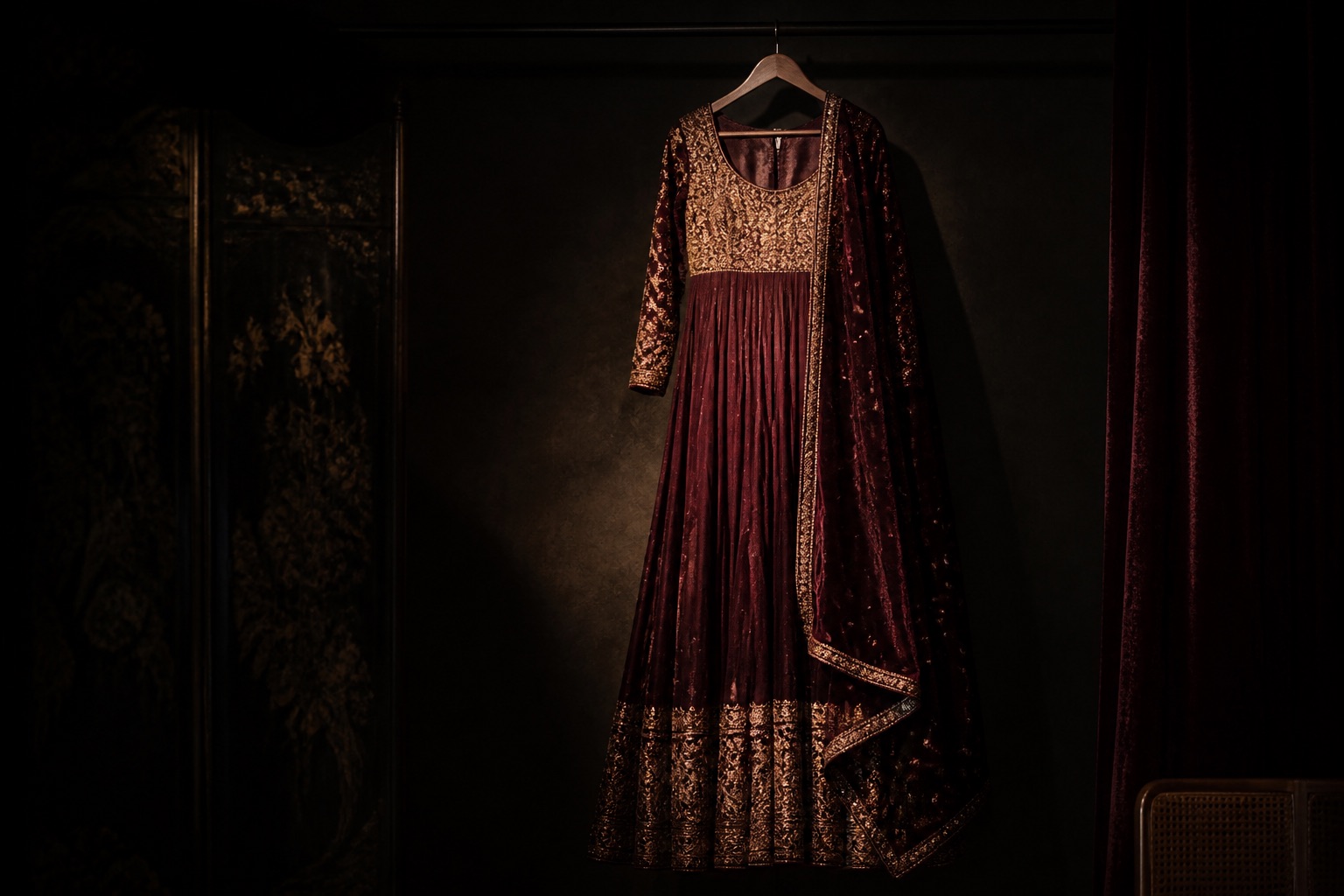
How to Restyle an Outfit You Already Own for Eid
It is the night before Eid, your bed is covered in kurtas and dupattas, and somehow the outfit you loved at a family dinner now feels like it has already had its moment. Before ordering something new, look at the pieces separately. Eid is one of the best occasions for a closet remix: festive enough for zari and colour, comfortable enough for hugs, photos, dessert, and a very long visit to someone’s house. A new combination of bottoms, dupatta, jewellery, and styling can make familiar ethnic wear feel properly fresh.
Start by Pulling Apart Your Existing Eid Outfits
The quickest way to find a new Eid look is to stop seeing your clothes as complete outfits. Lay out your kurtas, sharara sets, anarkalis, lehenga blouses, dupattas, and bottoms separately. Then make a few small piles: statement tops, simple tops, neutral bottoms, colourful bottoms, light dupattas, and formal dupattas. You are not trying to create a perfect capsule wardrobe; you are trying to spot combinations that have been hiding in plain sight.
- Pair a heavily embroidered kurta with plain ivory cigarette pants or a simple silk palazzo instead of its matching bottom.
- Take a solid-colour kurta from an old three-piece set and try it with an embroidered gharara or printed wide-leg pants.
- Use a blouse from a lehenga as a festive top with a high-waisted silk skirt or sharara.
- Keep one element quiet when another is doing the talking. A mirror-work kurta, for example, needs a cleaner bottom and a dupatta with less competing detail.
Try each option on rather than judging it from the hanger. Proportions matter: a short, structured kurta can look sharp with a fuller gharara, while a long A-line kurta usually works best with a straighter pant or slim churidar. Take quick mirror photos of the combinations that work. When Eid morning arrives, you will have choices that feel considered instead of a last-minute pile of maybes.
Swap Your Dupatta for a Completely Different Eid Look
A dupatta can change the mood of an outfit faster than almost anything else in a desi closet. The same white chikankari kurta can feel daytime-soft with a pastel organza dupatta, more traditional with a bright bandhani drape, or dinner-ready with a deep jewel-tone silk dupatta. This is especially useful for outfits whose matching dupatta has seen a few too many wedding photos.
- Add a bright phulkari, bandhani, or leheriya dupatta to a plain kurta-and-pant set for colour without adding another embellished garment.
- Use a sheer organza or chiffon dupatta to lighten a heavier silk or brocade kurta for a daytime Eid lunch.
- Pair a tonal outfit with a contrasting dupatta: emerald with fuchsia, ivory with cobalt, or powder blue with a warm marigold.
- For a more polished look, choose a dupatta with one colour that appears somewhere in the embroidery, print, or border of your outfit.
Change how you drape it, too. A neatly pleated dupatta over one shoulder looks more tailored than a loose front drape. For a simple kurta, try bringing the dupatta over both shoulders like a shawl. If your outfit has an interesting neckline or detailed sleeves, keep the dupatta on one side so the details are visible. The goal is not to bury the outfit under fabric; it is to give it a new frame.
How to Style a Statement Kurta With Different Bottoms
A beautiful kurta does not need its original matching pants every time. In fact, separating a statement kurta from its set is one of the easiest ways to make it feel less like a repeat. Start with the hemline and silhouette, then choose a bottom that balances it.
- Style a knee-length embroidered kurta with crisp straight pants for a clean, modern Eid outfit.
- Wear a short kurta with a flowy sharara or gharara when you want more movement and a little mehndi-night energy.
- Pair a long printed kurta with solid palazzos in a colour pulled from the print.
- Match an ornate velvet, brocade, or heavily worked kurta with matte silk pants rather than another shiny fabric.
- Try a simple white or cream bottom with a colourful kurta when you are unsure. It lets the top be the main character.
Pay attention to fabric weight. A breezy cotton or mulmul kurta generally looks best with lighter pants, while a structured raw silk kurta can handle a more substantial palazzo or gharara. If both pieces are patterned, make sure one print is clearly smaller or quieter than the other. Two equally loud florals tend to argue; a printed kurta with a subtle striped or textured bottom can look intentional.
How to Make Wedding Wear Work for Eid
That wedding outfit does not have to wait for another shaadi invitation. The trick is to remove one or two formal signals rather than wearing every piece exactly as it was styled for the event. A heavily embellished lehenga, formal anarkali, or ornate kurta can feel Eid-appropriate when the overall look is softened.
- Wear an embellished lehenga skirt with a plain silk blouse or a simpler kurta instead of the matching, fully worked choli.
- Pair a wedding-ready blouse with solid wide-leg pants and a light dupatta for an Eid dinner look.
- Replace a very ornate dupatta with a plain chiffon, georgette, or organza option in a coordinating shade.
- Choose flats, embroidered juttis, or low block heels instead of the shoes you reserve for a formal reception.
- Keep jewellery edited: statement earrings with bare wrists, or bangles with smaller earrings, rather than every piece at once.
Consider comfort before committing. Eid often means sitting on the floor with cousins, helping set out food, greeting elders, and posing for photos in the same afternoon. If a skirt needs a different blouse, a neckline needs a camisole, or a dupatta needs a pin to stay put, handle it the day before. A look can still be festive without requiring constant adjustment.
Use an AI Stylist to Find New Outfit Combinations
Sometimes the problem is not a lack of clothes; it is decision fatigue. You can see a pink kurta, a gold gharara, and three dupattas in your closet, but not immediately know which pairing will look balanced for Eid brunch versus an evening dinner. That is where an AI stylist can be genuinely useful: use it to explore styling combinations from the pieces you already own and get past the “I have nothing to wear” spiral.
For the most helpful suggestions, start with a clear occasion and a few real constraints. Think: daytime Eid lunch, warm weather, comfortable shoes, and a preference for a more covered silhouette. Then compare the suggested direction with your own eye. If the outfit has a busy neckline, choose lighter earrings. If the bottom is wide and dramatic, keep the kurta shape cleaner. The best styling help should give you a starting point, not erase your personal taste.
Finish Your Restyled Eid Outfit With Intentional Details
The finishing details tell people whether you pulled out an old set or styled a new look on purpose. They do not need to be expensive or elaborate; they just need to relate to the outfit. If you are wearing a simple kurta with a bold dupatta, bring in a matching bindi, bag, or earring colour. If the outfit is already full of gold embroidery, consider a sleek bun and a small clutch instead of adding more sparkle.
- Steam your kurta, pants, and dupatta. Creases can make even a great combination feel unfinished.
- Try a different hair choice than the last time you wore the outfit: a low bun, soft waves, or a braid can shift the whole mood.
- Choose one metal family where possible. Gold jhumkas, a gold bag detail, and warm-toned bangles usually read as more cohesive than mixed hardware.
- Do a five-minute movement test: sit, raise your arms, walk, and check whether your dupatta and neckline stay where they should.
A fresh Eid outfit is often already in your closet, waiting for a better pairing and a little styling confidence. Start with one favourite piece, change the supporting players, and let the look feel like you rather than a copy of the last time you wore it. For more help making combinations from your own wardrobe, try Ravia’s AI stylist.
Sources reviewed
Start with one photograph.
Photograph what you own in the iPhone app. Get dressed from it. Share with family. Sell what you never wear.