 Ravia
Ravia
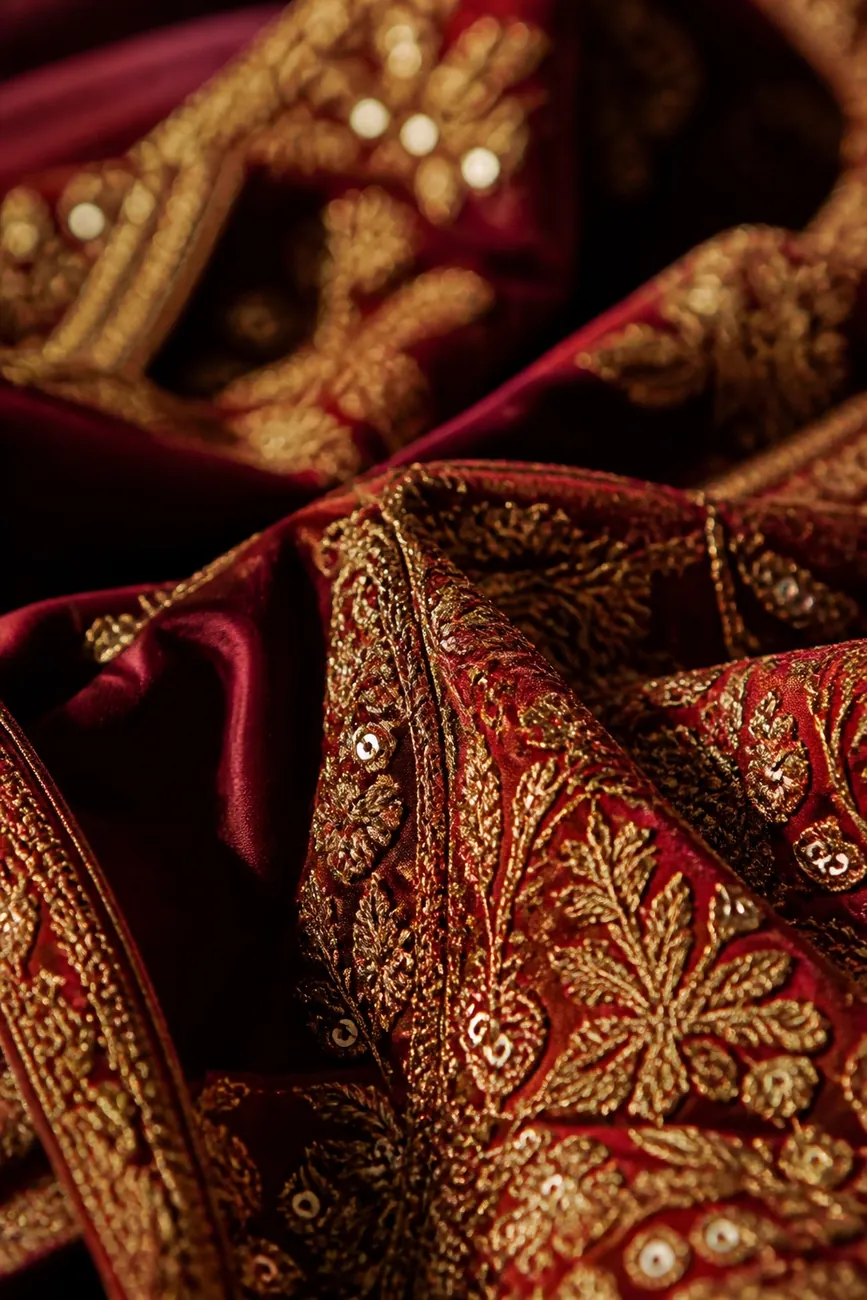
How Much Is My Used Lehenga Worth? Resale Guide
The morning after a shaadi, when the photos are in and your embroidered lehenga is draped carefully over a chair, the question arrives: was that a one-night outfit, or could it have a very good second life? A once-worn lehenga can absolutely be worth reselling, especially when it is in excellent condition, photographed well, and priced with the actual market in mind. The trick is not picking a number that reflects only what you paid or how much you loved it. It is finding a fair listing price that makes a buyer feel she has found something special.
How Do I Find the Resale Value of My Lehenga?
Start with a simple inventory of what you are selling. Pull out the original receipt or order confirmation if you have it, but do not stop at the original price. Buyers are evaluating the full outfit in front of them: the brand or designer, fabric, embroidery, colour, condition, sizing, and what is included.
- Identify the complete set. Note whether the sale includes the blouse, dupatta, cancan, belt, detachable sleeves, or any matching accessories that came with it.
- Write down the exact designer or label. A known label can help a buyer search and compare. If there is no label, describe the workmanship accurately instead of trying to give it one.
- Record the fabric and details. Raw silk, organza, net, velvet, georgette, mirror work, zardozi, sequins, gota patti, threadwork, and hand embellishment all affect how a buyer sees value.
- Measure the garment as it is now. Include blouse bust, blouse length, waist, lehenga waist, skirt length, and how much margin is available. Alterations matter more than a tagged size.
Then search for comparable pieces currently listed for resale. Look for outfits with a similar designer tier, fabric, level of embroidery, occasion, condition, and silhouette. A heavily worked red bridal lehenga should not be compared with a lightly embellished pastel guest outfit just because both are lehengas. Save several relevant listings and note their asking prices, not just the highest one you find.
One useful reality check from resale conversations among desi brides is that interest can be uneven: distinctive, well-presented pieces may draw attention, while outfits with limited sizing information or unclear photos can sit longer. Your price should account for that buyer experience, not just the emotional value of the outfit.
What Makes a Used Bridal Lehenga Worth More?
A bridal lehenga has the strongest resale case when a new buyer can easily imagine wearing it for her own nikkah, reception, walima, engagement, or formal family event. The most valuable details are not always the loudest ones. They are the details that make the garment feel wearable, complete, and trustworthy.
- Excellent condition: No missing stones, loose embroidery, makeup marks, tears, odour, or visible stains. Have the piece professionally cleaned before listing if it needs it.
- Versatile colour and styling: Classic bridal reds, maroons, ivories, golds, jewel tones, and elegant pastels may appeal to different buyers depending on the season and occasion. A very specific theme colour can still sell, but it needs excellent styling photos.
- Quality craftsmanship: Dense embroidery, handwork, clean finishing, a substantial dupatta, and a well-constructed blouse can support a stronger price than a garment that looks worn or lightly finished.
- Useful alteration room: A blouse or waistband with available margin is a practical selling point. State it only if you have checked.
- A complete, ready-to-wear set: Buyers often prefer not to hunt down a matching dupatta or have a blouse made from scratch before the next wedding weekend.
Guest lehengas can also hold good resale value when they are easy to rewear. Think a jewel-toned silk lehenga with antique gold work, a soft net anarkali with a finished dupatta, or a sharara set that works for Eid as easily as a sangeet. The more occasions a buyer can picture, the broader your audience.
How Should I Price a Once-Worn Lehenga for Resale?
Choose a price range before choosing one exact number. Your starting point should be the middle of the comparable listings you saved, adjusted for your outfit's condition and completeness. If yours is cleaner, better documented, includes more pieces, or has more desirable details than close comparisons, list toward the higher end of your range. If it has noticeable wear, heavy alterations, missing components, or few usable sizes, price accordingly.
Do not use the original retail price as a formula. A garment can be beautifully made and still have a smaller resale audience because fit is personal, bridal trends move, and buyers cannot try it on first. Likewise, do not underprice a carefully preserved, high-quality outfit simply because it was worn once. The goal is a number that reflects the garment's current condition and gives room for normal buyer questions and offers.
- Set an asking price you can explain from your comparisons.
- Decide your lowest acceptable amount before messages start arriving.
- Leave a reasonable amount of room for negotiation if you are open to it.
- Revisit the listing if it receives views or saves but no serious inquiries; photos, measurements, and price may need attention.
- If the outfit has been listed for a while, compare it again with currently available pieces rather than assuming last season's market is unchanged.
A fair price is not always the lowest price. It is the price supported by clear information, honest condition notes, and a listing that answers the questions a buyer would otherwise need to ask.
How Do I Check My Lehenga's Condition Before Selling?
Put the lehenga on a clean, well-lit surface and inspect it slowly, panel by panel. This is not the glamorous part, but it protects both you and your buyer from a very avoidable post-sale headache.
- Check the hem and inner lining for dirt, fraying, snags, or heels caught in net.
- Inspect embroidery under bright light for missing beads, stones, sequins, or loosened threads.
- Look closely at the underarms, neckline, blouse hooks, zip, drawstrings, and waistband.
- Hold the dupatta up to the light to spot pulls, holes, or uneven edges.
- Check for perfume, smoke, storage, or food odours after cleaning and airing it out.
- Photograph any flaw clearly and mention it in the description.
Be direct about alterations. “Blouse taken in at the waist” is useful. “Fits small” is not enough. Include the flat measurements and, if known, whether seams have been left with extra fabric. A buyer can work with an honest alteration note; she cannot work with a surprise.
What Photos and Details Help a Lehenga Sell?
Your listing should make it possible for someone to assess the lehenga without guessing. Take photos in natural daylight against a plain background, then add close-ups that show the garment's personality: the border, blouse work, dupatta finish, back detailing, and embroidery texture. Include a full front view, full back view, blouse front and back, skirt close-up, dupatta close-up, and any flaws.
For the description, lead with the facts a buyer will search for: designer or label, colour, fabric, size and measurements, occasion, condition, included pieces, and alterations. “Dusty rose organza lehenga with silver sequin and thread embroidery, matching dupatta and padded blouse included” is far more useful than “gorgeous wedding outfit.” If the colour photographs differently in daylight and indoor light, say so.
When you are ready to list, the Ravia marketplace gives you a place to list your lehenga for buyers, handle in-app offers, and ship it within the US. Bring your measurements, condition notes, and best photos with you; they do much of the work of earning a fair offer.
Your lehenga's value is not just what it cost at checkout. It is what a new wearer can confidently see in it now: a beautiful, well-kept outfit for her next big desi celebration. Price it honestly, show it properly, and let the embroidery have another night out.
Sources reviewed
Give that piece a second story.
Photograph what you own in the iPhone app. Get dressed from it. Share with family. Sell what you never wear.