 Ravia
Ravia
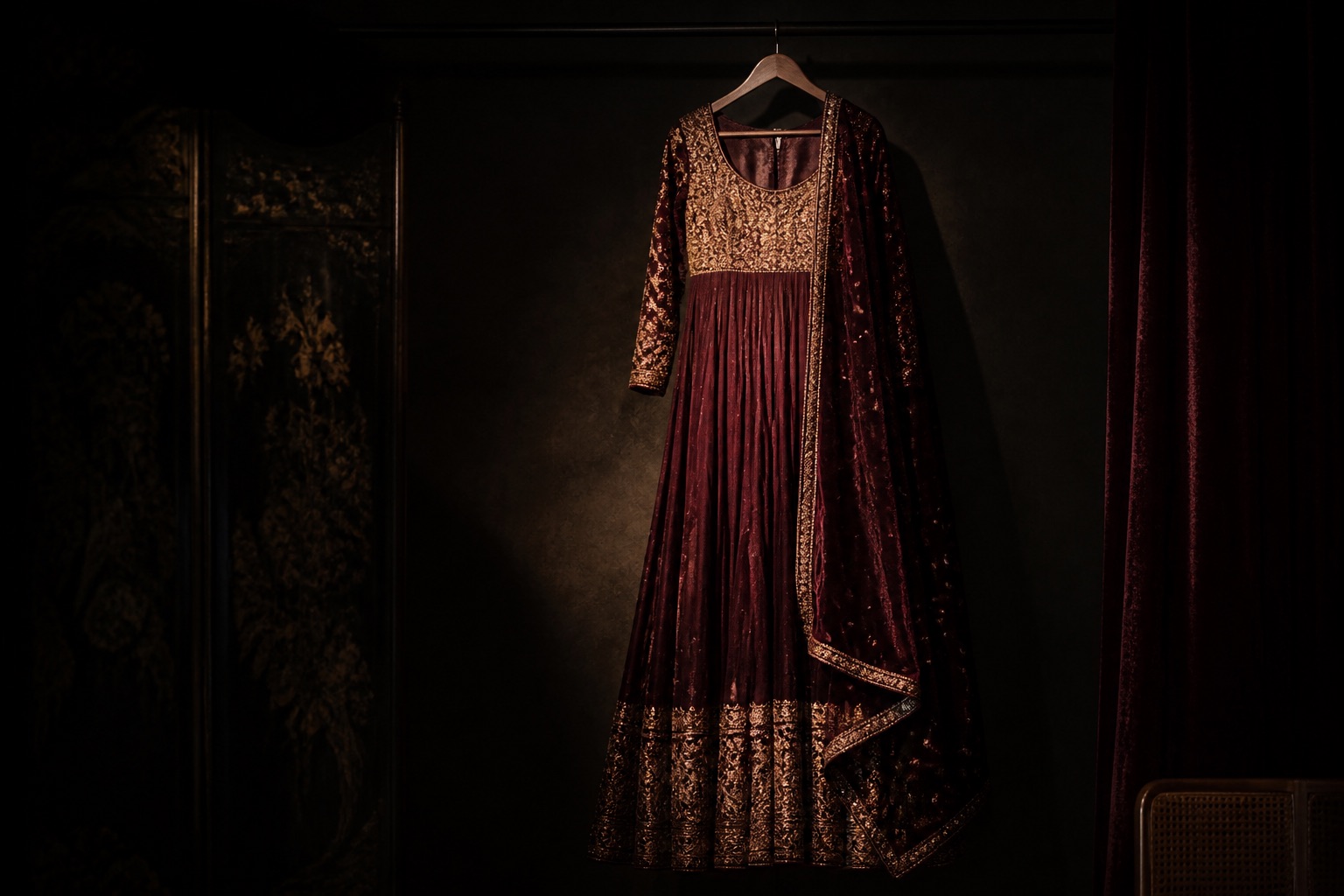
How to Store Bridal Lehengas and Silk Sarees With Zari
The walima is over, the photos are saved, and your heavily embroidered lehenga is still draped over a chair because folding that much zari feels like a high-stakes engineering project. Fair. Bridal lehengas and silk sarees are not the kind of clothes to shove into a garment bag and hope for the best. Their weight can pull fabric out of shape, tight folds can leave stubborn creases, and metallic zari can lose its shine when it sits against moisture, perfume residue, or the wrong storage material. A little care before it goes away can keep your heirloom-worthy pieces ready for the next shaadi, Eid dinner, or family event.
Clean Bridal Lehengas and Silk Sarees Before Storing Them
Never pack away a lehenga or saree straight after an event, even if it looks perfectly clean under bedroom lighting. Makeup, body oils, food splatters, perfume, and a tiny drop of mehndi oil can become much harder to remove after months in storage. They can also attract insects or leave marks on silk over time.
For heavily embroidered bridal wear, take the garment to a cleaner experienced with Indian formalwear, silk, beads, sequins, and zari. Point out any stains, especially along the blouse neckline, underarms, hem, dupatta edges, and the inner waistband of the lehenga. Do not spot-clean metallic embroidery with water, detergent, or a scrub brush at home. Zari work is often delicate, and aggressive rubbing can loosen threads or dull the finish.
Once the piece returns, let it air out in a clean, shaded room for a few hours before packing. Keep it away from direct sun, which can fade silk and brighten one panel more than another. Make sure every layer is fully dry before storage; trapped moisture is particularly unkind to silk, lining fabric, and metallic thread.
How to Fold a Heavy Bridal Lehenga Without Crushing the Embroidery
A heavy lehenga should generally be stored folded rather than hung. Those dramatic panels, cancan layers, and dense embroidery have real weight. Leaving them on a hanger for months can stretch the waistband, pull the skirt out of shape, and strain seams. The exception is a very lightweight, minimally embroidered outfit, but most bridal lehengas are happier resting horizontally.
- Clear a clean bed, table, or rug-free floor so the lehenga can lie flat.
- Fasten hooks, zippers, and drawstrings. Place a small piece of plain, acid-free tissue between sharp hooks or embellishments and nearby fabric.
- Turn the skirt inside out if the embroidery is concentrated on the outer surface. This gives sequins, stones, and zari a little more protection.
- Lay acid-free tissue paper between embroidered sections before each fold. The tissue cushions metalwork and prevents dense embellishment from pressing directly into silk or net.
- Fold along the garment's existing lines where possible, using wide, gentle folds instead of making small, sharp rectangles.
- Place the folded skirt in a roomy box or on a broad shelf. Do not stack a suitcase, winter coats, or three other lehengas on top of it.
If the lehenga has a separate cancan or structured underskirt, store it separately if possible. Compressing stiff net beneath the embroidered skirt can create awkward dents and make the silhouette harder to restore later. Fold the blouse and dupatta individually with tissue between embellished areas rather than tucking them tightly into the lehenga folds.
How to Store Silk Sarees With Zari at Home
Silk sarees need breathing room, especially Banarasi, Kanjeevaram, Paithani, and other sarees with substantial zari borders or pallu work. Avoid leaving them in the plastic dry-cleaning cover or a sealed plastic bin for a season. Plastic can trap humidity, while a tightly packed pile creates hard creases across silk and metallic borders.
First, remove any plastic wrapping and make sure the saree is clean and dry. Fold it along its original creases where you can, but place acid-free tissue paper between the zari border, pallu, and body of the saree. This matters because metallic threads should not sit pressed against themselves for months. Use enough tissue to create a soft barrier, not so much that the bundle becomes bulky and strained.
Wrap the folded saree in a clean, undyed cotton or muslin cloth. A breathable fabric cover is a better long-term home than a plastic bag. Keep the wrapped saree in a sturdy storage box, clean drawer, or shelf where it can lie flat. If you are storing several sarees together, give each one its own muslin wrap or tissue layer. A jewel-toned silk saree deserves better than being wedged beneath a heavy velvet blouse pile.
Skip scented sachets, perfume strips, and mothballs directly near the garment. Strong fragrances and chemicals can transfer to fabric, and you do not want to discover that your maroon silk saree smells like a storage closet on the morning of an auntie's anniversary dinner.
Where to Keep Bridal Wear to Prevent Zari Tarnishing
The best storage spot is cool, dry, dark, and stable. Choose an interior closet shelf, a dedicated drawer, or a lidded archival-style box kept away from sunlight, radiators, heating vents, damp basements, and humid bathrooms. A shelf near a steamy laundry area is also not ideal. Heat, light, and moisture can affect silk fibres and contribute to tarnishing or discoloration in metallic zari.
Use a clean cotton or muslin cover for breathable protection, plus acid-free tissue inside for cushioning. Avoid newspaper: ink can transfer to fabric. Avoid coloured tissue paper too, particularly against pale ivory, blush, gold, or cream bridal fabric. Do not place rubber bands, safety pins, metal clips, or jewellery inside the folded garment; all can snag fabric or leave pressure marks.
If your home tends to be humid, check the closet regularly for any damp smell or condensation. The goal is dry air, not an overstuffed sealed container. Keep the shelf tidy enough that you can lift the lehenga out without dragging its border across hangers, handbags, or rough basket edges.
How Often to Refold Sarees and Bridal Lehengas
Set a reminder to inspect stored bridal wear every few months, and refold silk sarees periodically so the same crease does not stay under pressure year after year. Open the muslin wrap on a clean, dry day, check for stains, loose threads, moisture, or insect activity, and let the piece breathe briefly away from direct sunlight. Then re-fold along different lines with fresh acid-free tissue if the existing paper has creased, yellowed, or torn.
For a very heavy lehenga, this check is also your chance to make sure the weight is still supported evenly. Rotate the folded bundle so one side is not always bearing the load. Do not hang it outside to “air” in direct sunshine; shade and a clean indoor room are enough.
A simple digital record makes this far less chaotic when wedding season arrives. Add each lehenga and saree to Ravia's digital closet with photos, colour, occasion, and a note about where it is stored. You can also note its last cleaning date and whether it needs a blouse alteration, petticoat, or jewellery pairing before the next wear. Future you, getting ready for a nikkah at 7 p.m., will appreciate not opening every storage box to find the emerald saree.
What Not to Do When Storing Zari Work
- Do not hang a very heavy bridal lehenga by thin straps, a delicate blouse, or a narrow hanger.
- Do not store silk or zari work in the original plastic dry-cleaning bag for long periods.
- Do not iron directly over zari, sequins, stones, or embroidery. Use a professional garment steamer or consult a specialist if wrinkles need attention.
- Do not spray perfume, deodorant, hair spray, or fabric freshener directly onto the garment before putting it away.
- Do not pack clothing while it is even slightly damp from cleaning, rain, or a humid event venue.
- Do not force a heavily embellished saree or lehenga into an overfilled drawer or suitcase.
Your bridal lehenga does not need daily attention, just a clean start, breathable layers, gentle folds, and a storage spot that respects how much work is sitting in every inch of that zari. Put in one careful afternoon now, and the next time the family group chat announces a shaadi, your silk and embroidery will be ready for their moment.
Keep your occasionwear closet organised with Ravia.
Sources reviewed
Start with one photograph.
Photograph what you own in the iPhone app. Get dressed from it. Share with family. Sell what you never wear.