 Ravia
Ravia
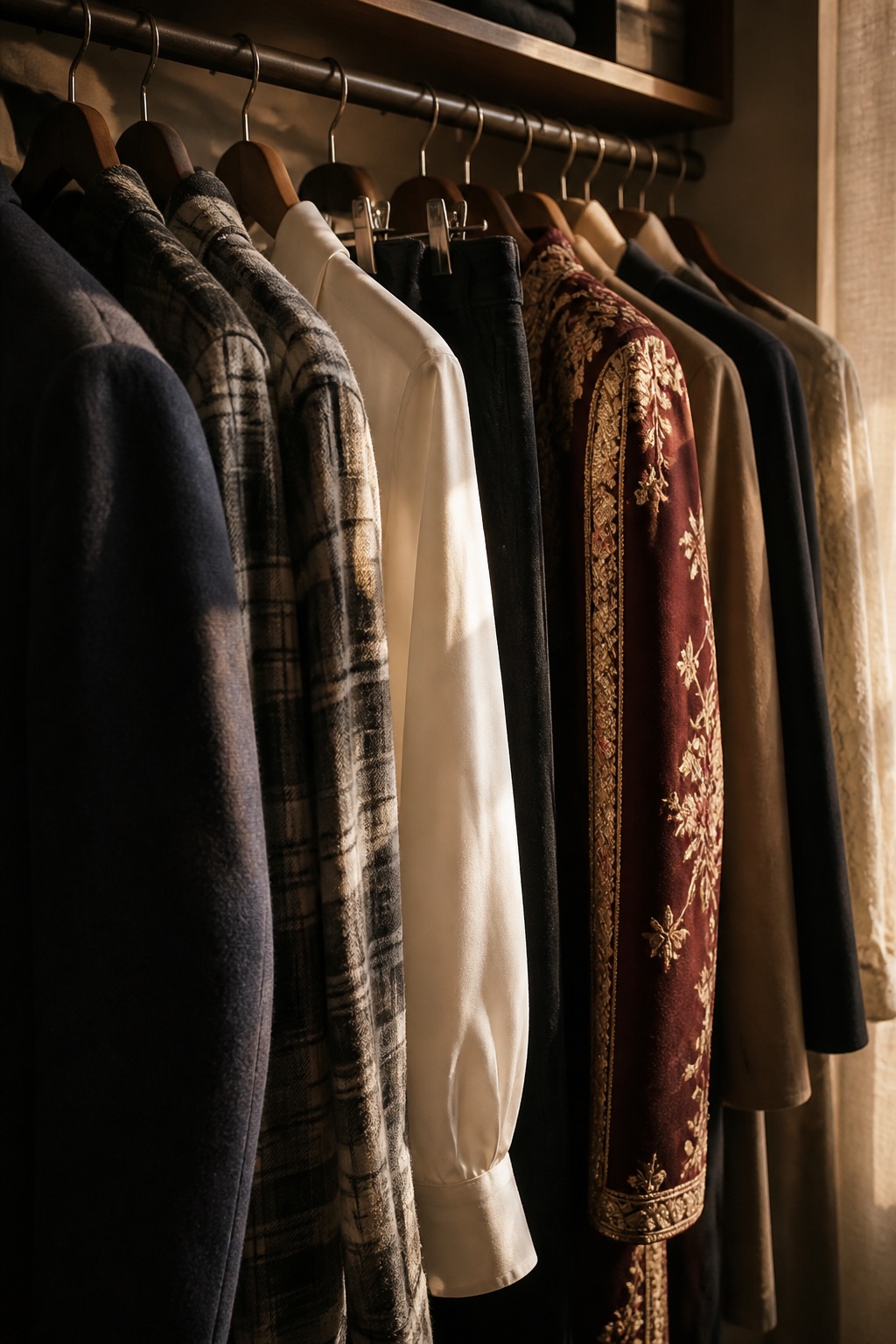
Nikkah vs Walima Outfits: Plan Your Wedding Wardrobe
The Nikkah invitation says 11 a.m., the Walima is in a ballroom two days later, and suddenly the question is not “what should I wear?” but “how do I make both outfits feel special without looking like I packed for two different weddings?” Planning a full wedding wardrobe starts with treating these events as distinct moments. A Nikkah often calls for a softer, more covered look, while a Walima reception can lean more formal, polished, and evening-ready. The exact dress code will always depend on the couple, family, venue, and region, but a thoughtful plan gives each event its own personality while keeping your shopping, tailoring, and accessories under control.
Nikkah vs Walima Outfits: What Is the Difference?
A Nikkah is the marriage ceremony, and its clothing often reflects the intimacy and significance of the moment. Many Nikkah looks are graceful rather than heavily theatrical: think an ivory gharara with a long kurta, a pistachio anarkali, a blush pink sharara set, or a silk saree with a properly draped dupatta. If the ceremony is at a mosque or takes place during the day, covered shoulders, a longer hemline, and a dupatta that can stay on the head are practical choices, not an afterthought.
A Walima is typically the reception after the marriage and often has a more celebratory, guest-facing feel. This is where a richer fabric, a more sculptural silhouette, or a little extra shine can make sense. A jewel-toned velvet kurta set for winter, a deep blue saree with a statement blouse, a formal peshwas, or a sequined lehenga with cleaner styling can all work beautifully. The point is not that a Walima must be flashy. It is that the outfit can carry more evening polish, especially if the reception is in a hotel ballroom or formal venue.
- For a daytime Nikkah: Prioritize comfort, coverage, and fabrics that photograph softly in natural light.
- For an evening Walima: Choose one elevated detail, such as zari work, silk, velvet, sequins, or a stronger jewelry moment.
- For either event: Read the invitation closely and ask a family member about venue expectations before committing to a sleeveless blouse or a dramatic train.
What to Wear to a Nikkah Ceremony
The easiest way to build a Nikkah outfit is to begin with the dupatta. If you may want to cover your head during the ceremony, choose a dupatta with enough length and weight to stay in place without constant pinning. Organza can look lovely but may need more secure styling; chiffon and georgette drape well; a bordered net dupatta can add formality without making the full outfit feel heavy.
For silhouettes, look for shapes that feel composed while sitting, greeting elders, and moving through a ceremony. Straight kurtas with wide-leg pants, ghararas, shararas, anarkalis, and sarees with a modest blouse are all reliable options. If you love a lehenga, pair it with a longer blouse or a fuller dupatta drape so the overall look still feels appropriate to the setting.
Color is where you can create a soft, intentional mood. Ivory, champagne, powder blue, sage, dusty rose, soft lilac, and pale gold are common starting points for a daytime or intimate Nikkah. You do not need to default to beige just because the event is traditional. A marigold kurta set, a peacock blue saree, or a deep emerald anarkali can be gorgeous if the family’s style is more vibrant.
- Try on your Nikkah outfit while seated, with the dupatta pinned as you plan to wear it.
- Choose a neckline that works with your jewelry and any head-covering plan.
- Keep the footwear walkable if the ceremony involves removing shoes, stairs, grass, or a long walk from parking.
- Bring a small safety-pin kit for a dupatta border, blouse strap, or trouser hem that decides to become dramatic at the worst possible time.
What to Wear to a Walima Reception
For a Walima, let the venue and timing guide the level of formality. A daytime garden reception may suit a floral silk saree, a pastel lehenga with restrained embroidery, or a crisp sharara set. An evening reception gives you more room for darker tones and light-catching details: bottle green, plum, navy, oxblood, charcoal, cobalt, antique gold, and metallic silver all have a natural after-dark presence.
The silhouette can also be more statement-making than your Nikkah look. A structured lehenga, a fitted long kurta with a dramatic farshi shalwar, a saree with a sculptural pallu, or a floor-length peshwas can hold its own in a formal reception room. Balance is the trick. If the outfit has dense embroidery, keep the jewelry edited. If the outfit is clean and minimal, bring in texture with a kundan choker, jhumkas, a jeweled clutch, or a bold lip.
Walima dressing is also a good place to think about photographs. Avoid choosing a shade too close to the backdrop if you know it. If the venue has warm gold lighting, pale yellow may disappear; if the room is dark, a softer outfit can benefit from a metallic border or reflective jewelry. Take a quick phone photo of the full look in indoor lighting before the event. The mirror is kind; ballroom lighting has its own opinions.
How to Coordinate Nikkah and Walima Color Palettes
Coordinated does not mean matching. In fact, wearing the same color family twice can make a multi-event wardrobe feel repetitive, even when the outfits themselves are different. Give each event a clear color role: soft and luminous for the Nikkah, then saturated or metallic for the Walima. For example, wear a sage green gharara with pearl jewelry to the Nikkah, then choose an emerald saree with antique gold accessories for the Walima. The colors relate, but the energy changes.
Another approach is to repeat one accent instead of the main color. A Nikkah outfit in ivory with gold embroidery can lead into a Walima outfit in midnight blue with the same antique gold jewelry. A rose-pink Nikkah dupatta can connect to a berry-toned Walima lehenga through similar kundan earrings. This creates a wardrobe that looks considered in photos without turning every event into a uniform.
- Pick two main outfit colors before shopping for jewelry.
- Choose one metal family, such as antique gold or silver, that can work across both events.
- Keep one neutral clutch or potli bag that works with both outfits.
- Save red, maroon, or bridal-looking embellishment for a guest outfit only if you know it will not compete with the couple’s preferences or event styling.
How to Plan a Wedding Guest Wardrobe Without Buying Duplicates
Before buying anything new, pull out the ethnic pieces you already own and assess them as separates. A heavily embroidered ivory dupatta may transform a simple kurta set for the Nikkah. A plain silk saree may become Walima-ready with a more formal blouse and jewelry. The goal is not to wear the same outfit twice in disguise; it is to identify what can genuinely serve a different purpose with a new pairing.
This is where a digital closet is useful. Add photos of your lehengas, sarees, kurtas, dupattas, blouses, jewelry, and shoes in Ravia, then review the pieces together before you shop. Seeing the actual colors and embroidery side by side makes it easier to spot a missing blouse, a useful dupatta, or the fact that you already have three nearly identical gold clutches. Create a simple Nikkah and Walima shortlist, then only buy for the gap that remains.
Give yourself time for the unglamorous but essential checks: blouse alterations, steaming, underskirts, shapewear, heel height, and jewelry backs. Try on each complete outfit at least once before the wedding week. A beautiful saree blouse that cannot accommodate a normal meal is not a wardrobe plan. It is a very expensive lesson.
Build the Nikkah look around ceremony comfort, let the Walima outfit bring the reception drama, and make sure both feel like you. For an easier way to see what is already waiting in your wardrobe, organize your desi closet with Ravia.
Sources reviewed
Start with one photograph.
Photograph what you own in the iPhone app. Get dressed from it. Share with family. Sell what you never wear.