 Ravia
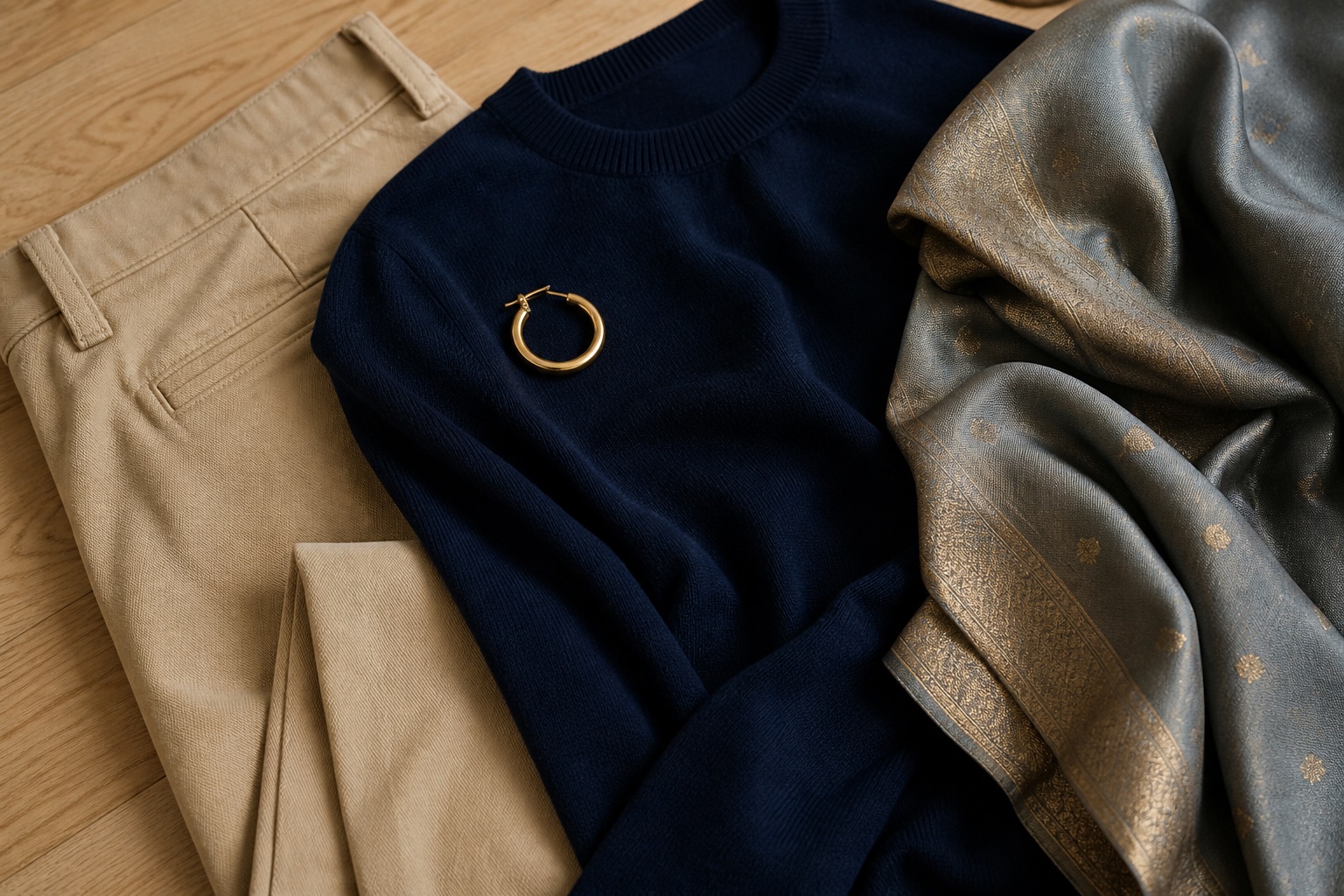
How to Repurpose an Old Anarkali or Lehenga
The moment you pull out that heavily embroidered lehenga for another cousin’s wedding and realize the blouse still fits, but wearing the full set again feels a little too “everyone has seen this on Instagram.” Good news: an old anarkali or lehenga does not need to stay a one-event outfit. A few thoughtful pairings, a smart alteration, or simply separating the pieces can turn formal ethnic wear into something that feels current for a mehndi, Eid dinner, Diwali party, nikkah, or family brunch.
How to Restyle an Old Lehenga Skirt
The quickest way to make a lehenga feel new is to stop treating it as a three-piece set. Keep the skirt and change everything above the waist. This works especially well with a skirt that has a beautiful border, zari work, gota patti, or embroidery that deserves another outing.
- Pair a heavy lehenga with a crisp white shirt. A fitted cotton poplin shirt, tucked in neatly, gives a maroon, emerald, or gold lehenga a cool high-low feel. Choose a clean collar and minimal jewelry so the skirt remains the main character.
- Try a plain silk blouse in a contrasting tone. A champagne skirt can work with a deep wine blouse; a fuchsia lehenga looks striking with saffron, ivory, or cobalt. Pull one small color from the embroidery rather than matching the base color exactly.
- Wear a fitted knit top for a winter wedding event. A fine black, cream, or jewel-tone knit can make a formal skirt feel less bridal and more dinner-party ready. Keep the silhouette close to the body so it balances the volume below.
- Add a cropped jacket over a simple blouse. A short velvet jacket, structured waistcoat, or embroidered cape can cover an older blouse while making the skirt look intentional. This is particularly useful when the original blouse has dated sleeves or a neckline you no longer love.
- Use the original dupatta as a drape, not a requirement. If the skirt is very ornate, skip the matching dupatta and use a plain organza or chiffon one in a coordinating shade. A lighter drape changes the whole mood.
Before planning the outfit, try the skirt with three tops you already own and take mirror photos in daylight. The winner is often the combination that feels slightly unexpected, not the one that matches most perfectly.
How to Reuse an Old Anarkali Dress
An anarkali has more styling range than it gets credit for. The key is changing its shape or breaking up the long column of fabric. A floor-length piece with good embroidery can easily move from “worn once for a reception” to “actually cute for the next festive plan.”
- Belt it at the natural waist. A slim metallic belt, fabric belt, or embellished kamarband can give a loose anarkali structure. This works best when the flare begins below the waist and the bodice is relatively plain.
- Shorten a maxi anarkali into a midi or calf-length dress. A tailor can preserve the border by lifting it from the waist or reattaching the trim after shortening. Ask them to mark the new hem while you are wearing the shoes you plan to style it with.
- Turn it into a kurta set. If the hem is damaged, stained, or simply too formal, shorten the anarkali into a straight or A-line kurta. Pair it with cigarette pants, churidars, or wide palazzos in a solid color pulled from the threadwork.
- Layer it like a jacket. If the front can be opened cleanly by a tailor, an older anarkali can become a long embroidered jacket over a slip dress, tank-and-trouser set, or plain lehenga skirt. This is especially good for a piece with beautiful sleeves and a dramatic border.
- Change the neckline and sleeves. Removing dated cap sleeves, adding full sheer sleeves, or reshaping a high neckline into a soft V can make the same garment feel much more like your current style.
Do not ask a tailor to cut first and “figure it out later.” Put the anarkali on, pin the proposed length, and decide whether you want it to work with flats, juttis, or heels. Two inches can change whether a hem looks polished or awkward.
What to Do With an Old Lehenga Dupatta
The dupatta is often the most reusable part of a formal outfit, especially if it has a scalloped edge, handwork, or a statement border. It can bring festive energy to a very simple base outfit without requiring you to wear the entire old set.
- Style it with a plain silk suit. A heavily worked dupatta over an ivory, black, or jewel-tone kurta set makes an otherwise simple outfit wedding-appropriate.
- Drape it over a slip dress or gown. For a sangeet, reception, or Diwali party, place it across one shoulder and secure it discreetly at the shoulder seam or with a small safety pin inside the fabric.
- Have it made into a cape or sleeve detail. A tailor can use a dupatta’s border for a detachable cape, flutter sleeves, or an overlay on a plain blouse. Keep the rest of the design quiet so the original craftsmanship shows.
- Use the border on a new blouse. If the center fabric is delicate but the edge is still pristine, save the border. It can become sleeve trim, a neckline detail, or a back tie on a new blouse.
Check the fabric before altering. Old net and tissue can tear when unpicked, while silk, georgette, and many cotton-silk blends are usually more forgiving for recutting.
How to Alter a Bridal Lehenga Into a Wearable Outfit
A bridal lehenga can be re-worn without pretending it is not bridal. Instead of fighting the heavy work, edit the styling around it. The goal is to make one ornate piece the focal point and quiet everything else down.
- Keep the skirt, replace the blouse. A plain raw silk blouse in burgundy, ivory, mocha, or a color from the embroidery can make a red or pink bridal skirt feel appropriate for a walima or formal wedding guest look.
- Convert the blouse into a separate crop top. If the blouse has dense embroidery, ask a tailor to adjust the length, straps, or neckline so it can be worn with high-waisted wide-leg pants, a plain skirt, or even under a blazer for a festive dinner.
- Reduce visual weight with a sheer dupatta. Put away the heavily embellished matching dupatta and use a plain organza, chiffon, or tulle option. One lighter layer can make the outfit feel far less ceremonial.
- Make a smaller piece from damaged fabric. If the skirt cannot be worn again, salvage the embroidery for a clutch panel, potli bag, belt, or blouse yoke. Ask the tailor to cut around motifs rather than through them.
For any major redesign, photograph the garment flat before taking it apart. Capture the front, back, border, and close-ups of the embroidery. Those photos help a tailor plan around motifs and help you remember what deserves saving.
How to Plan a Lehenga or Anarkali Alteration With a Tailor
A good alteration starts with a specific brief. “Make it modern” leaves too much to interpretation; “shorten this anarkali to mid-calf, retain the border, and add a side slit” gives your tailor something useful to work with.
- Bring the shoes, shapewear, blouse, or pants you plan to wear with the revised piece.
- Mark areas with embroidery, beadwork, stains, or snags before the appointment.
- Ask whether seams can be opened and reclosed without cutting through handwork.
- Request that extra fabric, borders, and removed sleeves be returned to you. They may become a matching accessory later.
- Try on the garment before final stitching if the change involves a new neckline, sleeve, or hem length.
If you are stuck between several combinations, use Ravia’s AI stylist to explore ways to style the anarkali or lehenga pieces you already have. It is particularly handy when you know the skirt is gorgeous but cannot decide whether it wants an ivory blouse, a velvet jacket, or a completely different dupatta.
Your old formalwear is not “too much”; it just may need a new supporting cast. Separate the set, preserve the best embroidery, choose one statement piece, and let the rest of the outfit breathe. A lehenga deserves more than one grand entrance.
Find fresh ways to style your desi wardrobe with Ravia.
Sources reviewed
Start with one photograph.
Photograph what you own in the iPhone app. Get dressed from it. Share with family. Sell what you never wear.