 Ravia
Ravia
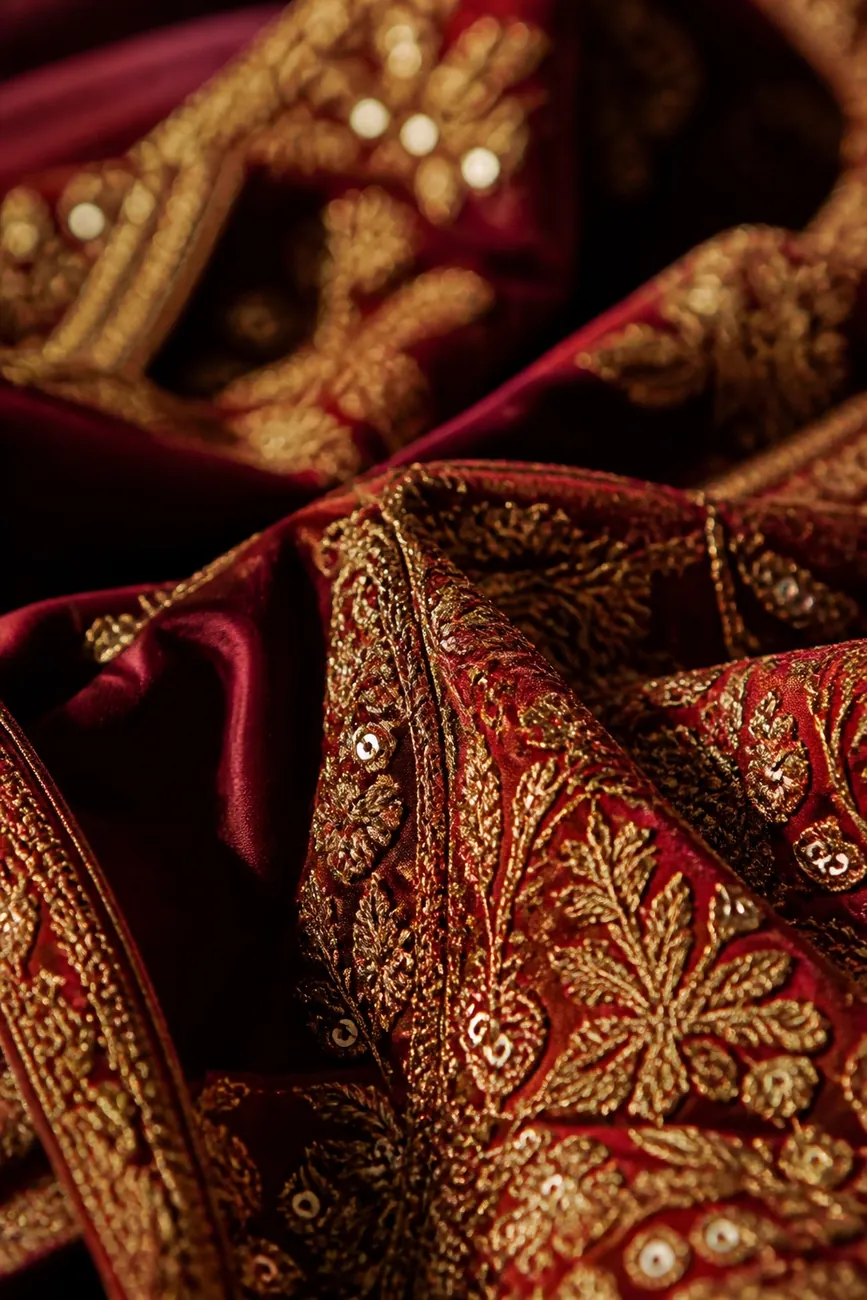
How to Restyle One Lehenga Skirt for Weddings
The group photo from the sangeet is still on everyone’s camera roll, and the same heavy lehenga skirt is already waiting for a reception, puja, or cousin’s wedding next month. Good news: a beautiful skirt does not need a new life story every time it leaves the closet. The trick is to stop treating it as a complete lehenga set. Think of the skirt as the anchor, then change the blouse, drape, jewellery, and silhouette around it. A gold embroidered skirt can read full shaadi glamour one night and polished family-event dressing the next.
Choose a Lehenga Skirt That Can Be Restyled
The easiest skirt to repeat is one with a strong base colour and detail that does not depend on a matching blouse. Metallic gold, antique silver, ivory, deep maroon, emerald, navy, and black are especially flexible. A heavily embroidered skirt is not a problem; it simply needs quieter pieces around it on the second or third wear.
- Start with the skirt’s undertone. Gold zari, antique gold gota, and warm champagne embroidery pair naturally with maroon, rust, bottle green, peach, and ivory. Silver embroidery works beautifully with icy blue, plum, charcoal, black, and cool pink.
- Notice the busiest part of the skirt. If the border is very ornate, choose a blouse with a cleaner neckline and minimal embellishment. If the skirt has all-over but delicate embroidery, a more detailed blouse can hold its own.
- Pull one small colour from the embroidery. A tiny thread of fuchsia, sage, cobalt, or coral can become the colour of your blouse or dupatta. It looks intentional, not like you grabbed the nearest top five minutes before leaving.
- Keep the skirt’s volume in mind. A wide, cancan-heavy skirt usually looks best with a fitted or structured top. A softer georgette or crepe skirt can handle a relaxed shirt or longer kurta.
Before the next invite arrives, photograph the skirt in good light and note its colours, fabric, and border detail in Ravia’s digital closet. Seeing the skirt beside the tops and dupattas you already own makes a new combination much easier to spot than staring at one crowded hanger.
Wear a Lehenga Skirt With a Contrasting Blouse for a Sangeet
For a sangeet, the goal is festive enough for the dance floor but not identical to the outfit from the wedding ceremony. A contrasting blouse is the fastest transformation because it changes the visual centre of the outfit.
- Gold skirt + jewel-tone blouse: Pair a gold or champagne embroidered skirt with an emerald, cobalt, magenta, or deep purple blouse. Choose a fitted sleeveless blouse, a square-neck style, or a simple corset-inspired choli with Indian embroidery rather than adding another fully heavy piece.
- Maroon skirt + blush or peach blouse: A lighter top softens a deep bridal-style skirt and feels especially right for an evening sangeet. Add a sheer blush dupatta with a narrow border instead of matching maroon from head to toe.
- Ivory skirt + bright blouse: Try rani pink, saffron, turquoise, or parrot green. Let the blouse be the colour moment and keep the dupatta light.
Use a different neckline from the original set: if the matching blouse was a classic sweetheart neck, wear a high-neck halter, boat neck, or sharp square neck. Finish with statement earrings and skip a heavy necklace if the blouse has detail. One strong jewellery category is usually enough when the skirt is doing all that work.
Style a Lehenga Skirt With a Shirt or Kurta for a Reception
A reception is the perfect place to make a heavy lehenga skirt look more tailored. A crisp shirt or sleek kurta brings structure, which immediately separates the look from a traditional choli-and-dupatta outfit.
- Try a white or ivory button-down shirt. Tuck it neatly into a gold, silver, or jewel-tone lehenga skirt, then add a belt at the waist if the skirt allows it. Roll the sleeves once, wear a bold earring, and choose a small clutch. This works best with a shirt that is opaque and fitted enough to stay smooth under the waistband.
- Wear a long straight kurta over the skirt. Choose one with side slits that reveal the embroidery as you walk. A black raw silk kurta over a gold skirt is dramatic for an evening reception; an ivory kurta over a maroon skirt feels refined and less bridal.
- Use a peplum top for shape. A plain peplum blouse in silk, velvet, or satin gives a full skirt a defined waist without looking like the original lehenga set.
Keep the dupatta optional here. If you wear one, drape it narrowly over one shoulder rather than across both arms. The clean lines of the shirt or kurta should stay visible.
Make a Heavy Lehenga Skirt Work for a Puja or Day Event
For a puja, haldi-adjacent daytime gathering, or family lunch, the same skirt can feel lighter with softer fabric and less sparkle near the face. You do not need to hide the embroidery; you just need to balance it.
- Pair it with a cotton-silk or chanderi blouse. A simple ivory, turmeric yellow, pistachio, or powder-blue blouse makes a heavy skirt feel daytime appropriate. Look for a modest scoop neck, elbow sleeve, or small puff sleeve.
- Choose a printed dupatta. A block-print, leheriya, bandhani, or lightly embroidered dupatta introduces a new texture and breaks up a very formal skirt. Make sure it shares at least one colour with the skirt’s embroidery.
- Change the jewellery mood. Swap chandelier earrings and a heavy necklace for jhumkas, a small bindi, bangles, and a low bun or braid. The outfit will feel dressed, not reception-ready at 11 a.m.
- Use a shorter blouse length carefully. If your skirt has a high waistband, a blouse that meets the waistband creates a clean, modest line for a family function.
A daytime repeat is also where footwear matters most. Metallic juttis, embroidered flats, or low block heels make the look feel relaxed compared with the stilettos you might wear for a walima.
Change the Dupatta Drape So the Lehenga Looks New
A dupatta is not just an accessory; it can redraw the entire outfit. If the skirt and blouse are already familiar, choose a different dupatta colour or wear it in a different placement.
- For maximum drama: Use a sheer net or organza dupatta over one shoulder with the border falling behind you. This is lovely with a fitted blouse for a reception or sangeet.
- For a classic family-event look: Pleat the dupatta and pin it over one shoulder, leaving the other end around the forearm. It is tidy for greeting aunties, eating, and moving around without constant adjustments.
- For a fresh colour contrast: Choose a bandhani or silk dupatta in a shade pulled from the skirt. A green dupatta with a maroon-and-gold skirt, or a pink dupatta with an ivory-and-silver skirt, can make the whole outfit read differently.
- For a no-dupatta silhouette: Wear a structured blouse, peplum, or shirt and let the skirt’s waistband show. This works particularly well for a cocktail-style reception event.
How to Avoid Looking Like You Repeated the Same Lehenga
You do not need to disguise the skirt completely. You only need to change enough high-visibility elements that the overall silhouette and colour story feel new. Pick at least three changes: blouse colour, neckline, dupatta, hairstyle, jewellery, handbag, or shoes.
Do a quick try-on before the event, not while everyone is waiting by the door. Lay the skirt out with two blouse options, two dupattas, and the jewellery you are considering. Take mirror photos from the front and side. If the blouse and skirt are equally heavy, remove one ornate element. If the outfit looks flat, add contrast through a dupatta or earrings rather than piling on more embroidery.
The most stylish repeat is the one that looks deliberate. Your lehenga skirt was made to be seen more than once, and every new pairing gives it a different reason to come out for the next celebration.
Organize your lehenga wardrobe with Ravia
Sources reviewed
Start with one photograph.
Photograph what you own in the iPhone app. Get dressed from it. Share with family. Sell what you never wear.