 Ravia
Ravia
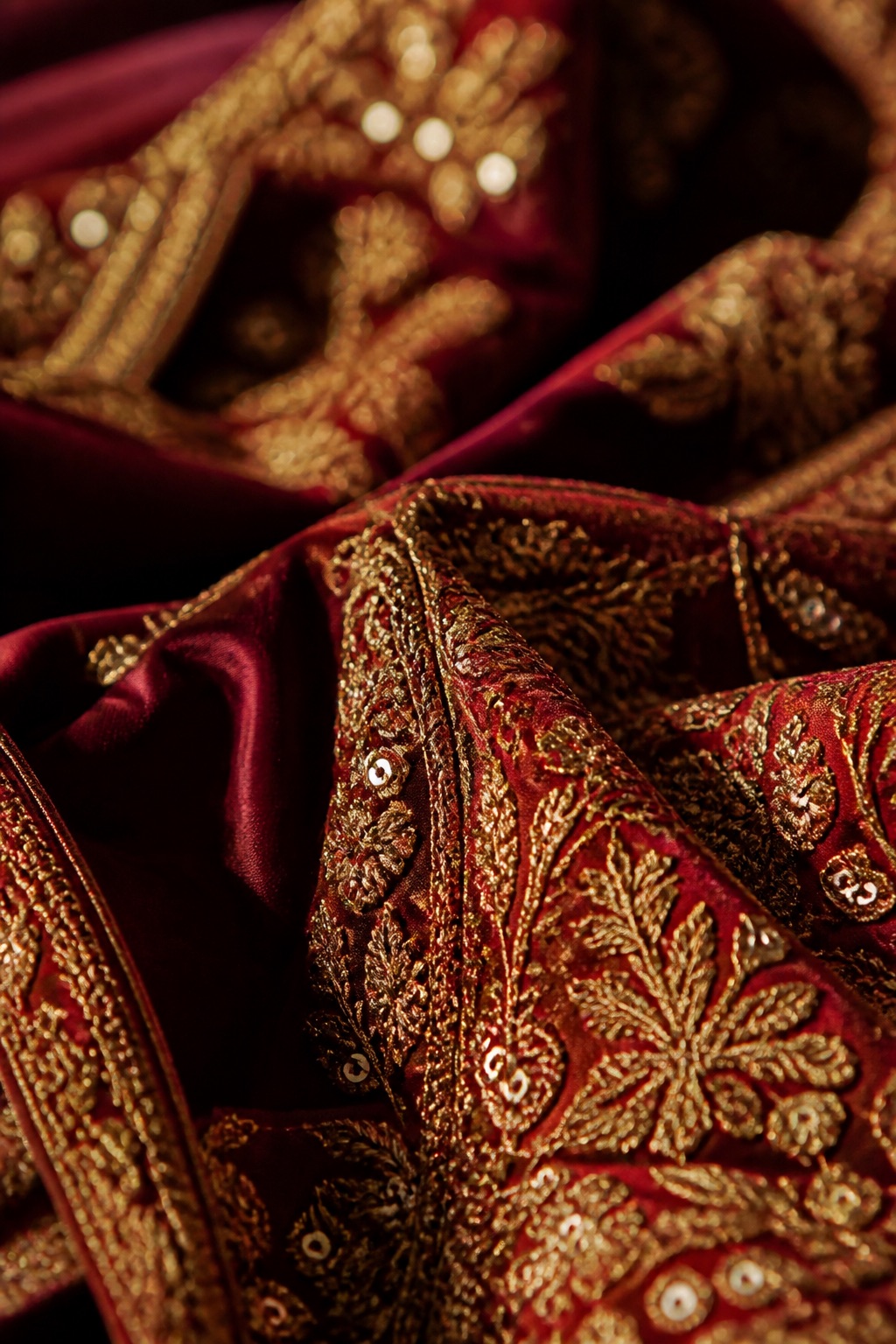
How to Dry Clean a Heavy Lehenga Without Ruining Zari
The walima is over, the photos are gorgeous, and now your heavy lehenga is sitting on a chair with one mystery mark near the hem and enough zari to make you nervous about taking it anywhere. Fair. A heavily embellished lehenga is not a regular dry-cleaning drop-off: the skirt may have silk, net, velvet, sequins, stones, embroidery, lining, and metallic zari all behaving differently around solvent, water, heat, and friction. The goal is not simply to get it clean. It is to get it clean without dulling the embroidery, loosening the work, or sending it home with a surprise watermark.
Should You Dry Clean a Heavy Lehenga With Zari?
Start with the care label, if your lehenga has one. “Dry clean only” is the clearest instruction, but it still does not mean every cleaner will handle every embellished garment in the same way. Zari is often made with metallic or metal-coated thread, and it can lose shine, tarnish, snag, or separate from its base if it is treated roughly. Sequins can crack or distort with heat; glued stones can loosen; velvet can flatten or develop pressure marks.
For a full clean after a long event, a reputable professional cleaner is usually the safer route for a heavy lehenga. Choose professional cleaning especially when:
- The stain is oily, such as makeup, ghee, food, body oil, or an unknown spill.
- The outfit has dense zari, beadwork, sequins, stones, mirror work, or delicate net.
- The blouse or skirt includes silk, velvet, raw silk, tissue, brocade, or multiple fabric types.
- There is staining across a large area, on the hem, or near embroidery.
- The garment has an old stain that has already dried or oxidized.
Do not assume a cleaner can “just press it” after the event. Heat and pressure can be as risky as the cleaning itself. Tell them clearly that the garment has metallic thread and embellishment and that you want the embellishments inspected before any pressing is done.
How to Find a Dry Cleaner for Indian Wedding Clothes in the US
Not every dry cleaner that handles suits is equipped for a bridal lehenga. Search for dry cleaners near you using terms such as “bridal gown preservation,” “couture dry cleaning,” “formalwear cleaning,” or “hand cleaning embellished garments.” Then call before carrying in the outfit. A five-minute conversation can save a very expensive outfit from becoming a cautionary tale in the family WhatsApp group.
Ask direct, useful questions:
- Do you regularly clean heavily beaded bridal gowns or formal garments? You are looking for experience with embellishment, not just standard dry-cleaning service.
- Will you inspect the lehenga for loose stones, weak threads, and existing damage before cleaning? Ask for those notes to be recorded on the intake ticket.
- Will the skirt, blouse, and dupatta be assessed separately? Different pieces can have different fibers and trim, even when they are sold as one set.
- How do you protect metallic embroidery, sequins, and glued embellishments during cleaning and pressing? A good answer should be specific, not a breezy “we clean everything.”
- Can you test a hidden area first if the fabric or thread is uncertain? Testing is particularly sensible for older pieces, vintage work, and garments without a care label.
- Is the cleaning done on site, and who handles delicate formalwear? Knowing whether the garment is handled in-house or sent elsewhere helps you decide whether the process inspires confidence.
If the person receiving your lehenga cannot discuss delicate embellishment beyond “dry clean only,” keep looking. You do not need a dramatic sales pitch; you need careful intake, clear communication, and a cleaner willing to flag risk rather than pretend there is none.
What to Tell the Dry Cleaner About Zari, Sequins, and Velvet
Bring the lehenga in unbagged if possible, or remove it from a plastic bag at the counter so the cleaner can inspect it properly. Point out every stain, even the tiny chai splash that feels too embarrassing to mention. Old, set stains often need different handling than fresh ones, and hiding them does not make them less visible under bright cleaning-room lights.
Use plain language at the counter: “This has metallic zari and heavy sequins. Please inspect the trim and avoid high heat or heavy pressing on the embroidery.” If there is velvet, say so explicitly. Velvet should not be aggressively rubbed or pressed flat, because its pile can be crushed. For stones or sequins, ask the cleaner to note whether they appear sewn or glued; glued trims can be especially sensitive to solvent, heat, and repeated handling.
Before leaving, take well-lit photos of the front, back, hem, blouse, dupatta, and close-ups of dense embroidery. Photograph existing loose threads, missing stones, discoloration, or snags too. This is not being difficult; it gives everyone a clear record of the lehenga’s condition. Keep the claim ticket until you have examined every piece at pickup.
How to Spot-Clean a Lehenga at Home Without Damaging Zari
Home spot-cleaning is best reserved for a small, fresh, isolated mark on a plain area of fabric, well away from zari, sequins, stones, and seams. If the stain sits on embroidery or velvet, skip the experiment and take it to a professional. Never use bleach, stain-remover pens, perfume, rubbing alcohol, acetone, or household cleaners on a lehenga. They can bleach dye, leave a ring, weaken thread, or react unpredictably with metallic trim.
For a small water-based spill on a plain fabric panel, act gently:
- Place a clean white towel behind the stained area so moisture does not transfer through the fabric.
- Blot the spill with another clean white cloth. Do not rub; rubbing can push the stain deeper and rough up the fabric surface.
- Use a barely damp cloth with plain cool water to dab the edge of the stain, working inward. Keep water away from embellishment.
- Blot again with a dry white cloth. Do not soak the fabric or create a wide wet circle around the mark.
- Let the area air-dry flat, away from direct sun, a radiator, and a hair dryer. Check the fabric only once it is fully dry.
Do a hidden-area test first if you are considering any fabric-safe cleaning product, and stop immediately if color transfers to the cloth or the fabric changes texture. For oil, makeup, or food stains, blot away excess material without spreading it, then leave the actual treatment to the cleaner. A bigger stain is frustrating; a bigger stain plus a pale chemical halo is worse.
How to Store a Lehenga After Dry Cleaning
When you pick up the lehenga, inspect it before putting it away. Check the zari under good light, look for loose embellishments, and make sure the stain is gone or that any remaining mark was discussed. Remove any plastic dry-cleaning cover once you are home. Long-term plastic storage can trap moisture and is not ideal for delicate fabrics and metallic work.
Store the lehenga in a breathable garment bag or clean cotton cover in a cool, dry, dark place. Keep the dupatta and blouse with it, but avoid folding heavy embroidery along exactly the same line for years. If the skirt is extremely heavy, do not rely on a thin hanger that can distort the waistband; fold it carefully with clean, acid-free tissue between embellished layers, or use sturdy support designed for formal garments. Keep perfume, hairspray, deodorant, and direct sunlight far from zari.
Before storing, add the lehenga to Ravia’s digital closet with photos, fabric notes, care instructions, and the date it was cleaned. The next time a mehndi or Eid dinner appears on the calendar, you will know what is ready to wear and what needs a quick inspection first.
A heavy lehenga deserves the same calm planning you gave the outfit decision in the first place. Vet the cleaner, name every delicate detail, treat home spot-cleaning as a very limited tool, and keep heat away from zari. Your embroidery should still be catching the light long after the shaadi playlist has moved on. Keep your occasionwear organized with Ravia.
Sources reviewed
Start with one photograph.
Photograph what you own in the iPhone app. Get dressed from it. Share with family. Sell what you never wear.